Water skiing and boating bring together speed, freedom, fresh air, and outdoor exploration in ways that appeal to many adventure seekers. Whether you enjoy the thrill of being pulled across open water or prefer a relaxed boat ride through scenic surroundings, these activities offer many ways to enjoy lakes, rivers, and coastal areas. However, a great day on the water requires more than excitement alone.
Proper equipment, weather awareness, route planning, and basic safety knowledge can make each outing more comfortable and enjoyable. With thoughtful preparation, travelers and outdoor enthusiasts can discover memorable water sports adventures while gaining a deeper appreciation for the natural environments around them.
Discovering Exciting Adventures Across Open Water
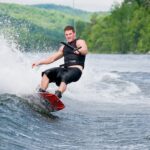
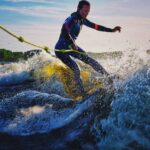
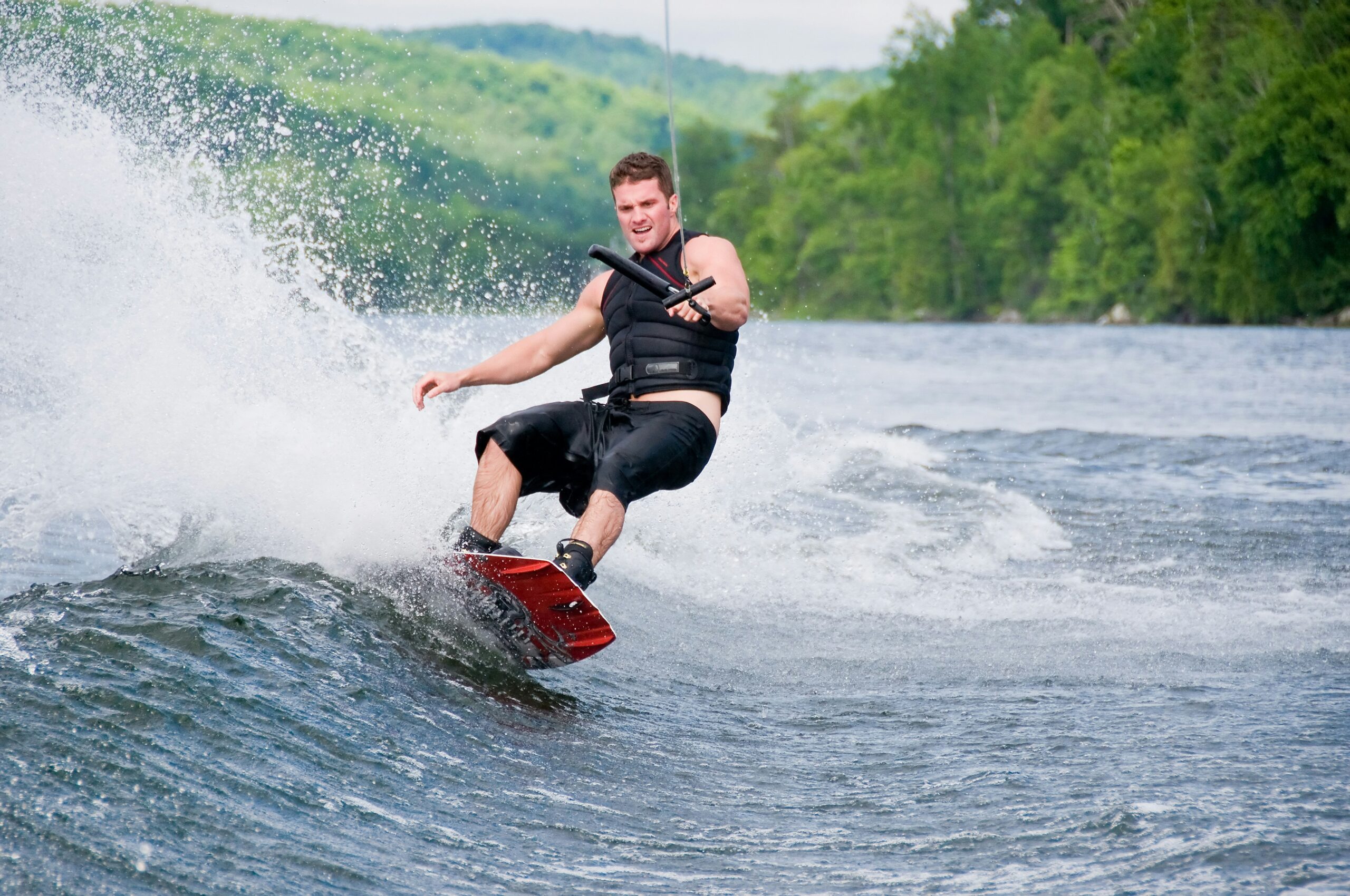
Water skiing creates an immediate sense of movement and energy. Riders can glide across the surface while enjoying the changing scenery around them. Moreover, the activity can provide a fun challenge for people who want to develop balance, coordination, and confidence on the water.
A boat can become a platform for sightseeing, fishing, swimming, photography, or simply enjoying a peaceful afternoon outdoors. Furthermore, boating allows groups to explore different areas without following the same pace as a high-speed water sport.
Choosing Ideal Locations For Water Adventures
The right location can greatly shape the quality of an outdoor water adventure. Large lakes often provide open spaces for skiing, while calm inland waterways may suit beginners who want easier conditions. Coastal areas can offer dramatic views and broader exploration opportunities.
Local conditions also influence which activities work best. Some waterways may restrict high-speed activities in certain zones, while others may have designated areas for swimming, fishing, or boating. Therefore, checking local regulations and navigation information should become part of the planning process.
Selecting Equipment That Supports Comfort And Control
Suitable equipment plays an important role in both water skiing and boating. Water skiers need properly fitted skis, tow ropes, flotation equipment, and other appropriate gear based on their experience level. Meanwhile, boaters should check essential equipment before departure, including life jackets, communication tools, navigation equipment, and emergency supplies.
Comfort also matters during long days outdoors. Proper clothing, sun protection, drinking water, and secure storage can make a major difference. Additionally, equipment should match the conditions rather than simply the activity itself.
Planning Memorable Trips Around Scenic Waterways
A well-planned trip can turn a simple outing into a unique adventure. Travelers can research scenic lakes, rivers, reservoirs, and coastal destinations that offer suitable boating opportunities. In addition, planning stops for meals, swimming, photography, or sightseeing can create variety throughout the day.
Timing can influence the experience as well. Morning trips may offer calmer conditions in some locations, while afternoon outings can provide different scenery and lighting. Nevertheless, weather should always guide the final decision. Strong winds, storms, poor visibility, or rapidly changing conditions can create unnecessary risks.
Understanding Essential Safety Practices Before Departure
Safety should remain central to every boating adventure. Before leaving shore, participants should check weather forecasts, inspect their equipment, and understand the planned route. Everyone on board should have access to a properly fitted life jacket, even when conditions appear calm.
Water skiing also requires clear communication between the rider, boat operator, and spotter. Simple signals can help everyone understand when to start, slow down, stop, or respond to a problem. Moreover, riders should avoid areas with heavy boat traffic or underwater hazards. Beginners should practice in suitable conditions rather than attempting difficult maneuvers too early. r.
Combining Water Sports With Relaxing Outdoor Activities
Adventure seekers do not need to spend an entire day moving at high speed. Combining water sports with slower activities can create a balanced outdoor experience. For example, a group might spend part of the day water skiing before switching to swimming, fishing, sightseeing, or a quiet boat ride. This approach allows participants with different interests and energy levels to enjoy the same trip.
Boating can also provide access to places that encourage broader outdoor exploration. Some waterways connect with parks, beaches, walking trails, or scenic areas. Consequently, a boating trip can become part of a larger weekend adventure rather than a single activity.
Making Water Skiing And Boating More Enjoyable
The best Water Skiing and Boating Experiences often come from combining excitement with thoughtful planning. Riders can improve their skills through regular practice, while boat operators can build confidence by learning navigation and safety techniques. Furthermore, experienced participants can help beginners understand equipment, communication signals, and basic procedures.
Small details can also improve the overall experience. Bringing enough water, protecting electronics from moisture, planning rest periods, and keeping essential items organized can reduce distractions. Likewise, respecting other people on the water helps create a more enjoyable environment for everyone. When participants remain aware of their surroundings and treat the waterway responsibly, they can focus on creating positive memories instead of dealing with preventable problems.
Preparing For Future Adventures On The Water
Future trips become easier when travelers learn from each outing. After a day on the water, participants can review what worked well and identify areas that need improvement. They may discover that different modern equipment would provide better comfort or that another location would better suit their preferred activities. Over time, these lessons can make planning faster and more effective.
Responsible recreation also protects the places that make these adventures possible. Boaters should avoid littering, follow local environmental rules, and respect wildlife and shoreline areas. Additionally, participants can encourage others to follow safe practices and maintain clean waterways. With good preparation, responsible behavior, and a willingness to learn, water-based adventures can remain exciting while supporting enjoyable outdoor experiences for years to come.